 MediterraneanShape
Key Elements of Mediterranean Dietary Patterns
Published: February 2026 | Educational Article
Introduction
The Mediterranean dietary pattern encompasses traditional eating practices observed in countries surrounding the Mediterranean Sea, including Greece, Spain, Italy, and others. Rather than a strict diet with specific rules, it represents a flexible dietary approach characterized by emphasis on particular food categories and preparation methods that have evolved over centuries. This article explores the key nutritional elements of Mediterranean eating patterns and their metabolic properties.
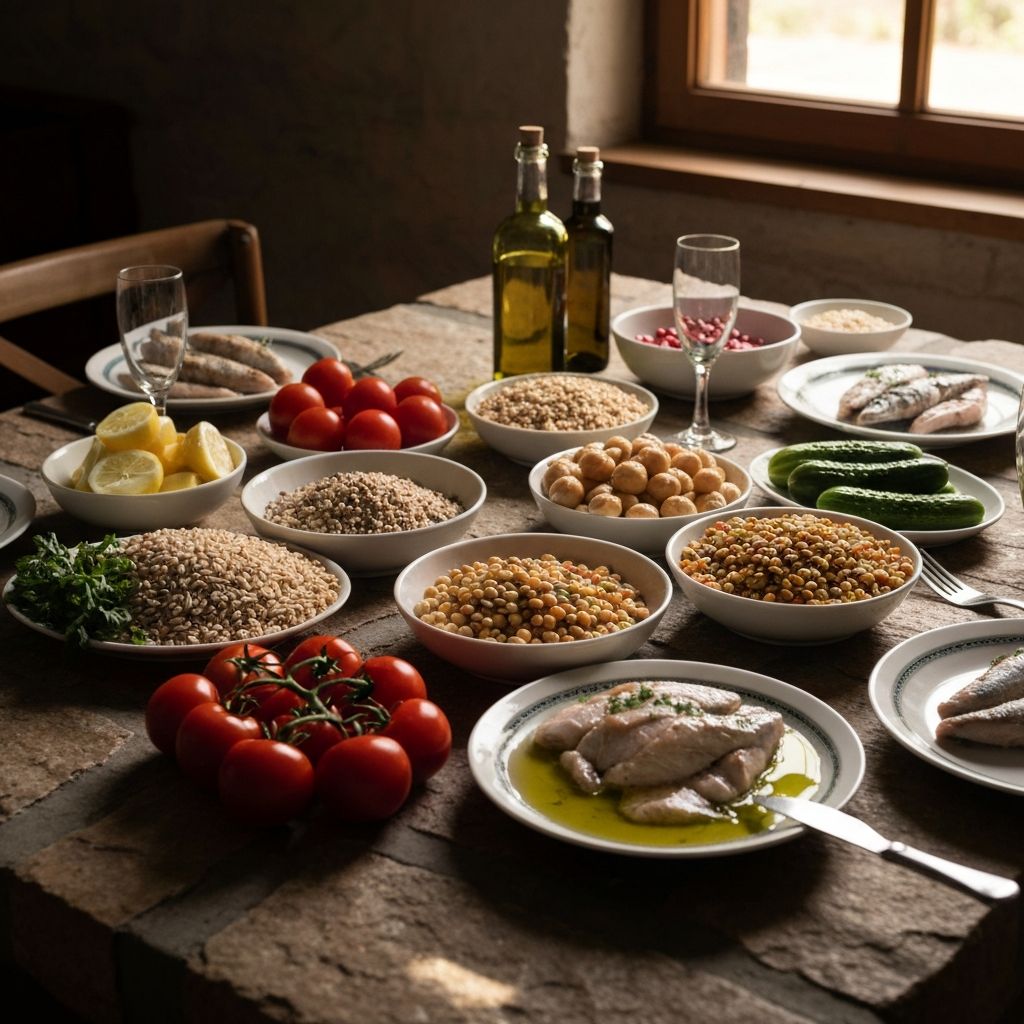
Olive Oil: The Foundation
Virgin olive oil serves as the primary fat source in Mediterranean cuisine, replacing butter and other saturated fat sources common in Northern European diets.
Nutritional Composition
Olive oil contains approximately 72-80% monounsaturated fatty acids (primarily oleic acid), 10-15% saturated fatty acids, and 7-12% polyunsaturated fatty acids. Beyond macronutrient composition, virgin olive oil contains polyphenolic compounds including oleuropein, hydroxytyrosol, and oleocanthal.
Metabolic Properties
Monounsaturated fatty acids support healthy lipid profiles and do not increase cardiovascular disease risk to the extent that saturated fats do. The polyphenolic compounds in olive oil possess antioxidant and anti-inflammatory properties that have been studied in various health contexts.
Culinary Role
In Mediterranean cuisine, olive oil serves as the base for cooking, dressings, and flavor enhancement. It enables nutrient absorption of fat-soluble vitamins (A, D, E, K) from vegetables and provides satiety through lipid-induced signaling pathways.
Fish and Seafood
Fish consumption in Mediterranean regions occurs at moderate levels (approximately 1-2 servings per week in traditional patterns), with emphasis on varieties high in omega-3 polyunsaturated fatty acids.
Omega-3 Polyunsaturated Fatty Acids
Fatty fish including sardines, anchovies, mackerel, and salmon provide eicosapentaenoic acid (EPA) and docosahexaenoic acid (DHA), long-chain omega-3 fatty acids. These compounds influence multiple physiological processes including inflammation regulation, cardiovascular function, and neurological health.
High-Quality Protein
Fish provides complete protein containing all essential amino acids in bioavailable forms. Fish protein supports muscle protein synthesis and contributes to satiety through protein-induced thermogenesis.
Micronutrients
Fish provides selenium, vitamin D, and B vitamins including B12 (particularly important for those limiting animal foods). These micronutrients support metabolic processes and immune function.
Legumes: Plant-Based Protein and Fiber
Legumes, including beans, lentils, chickpeas, and peas, form a substantial component of Mediterranean diets, providing both protein and complex carbohydrates.
Protein Content
Legumes provide approximately 15-25 grams of protein per cooked cup, making them effective protein sources particularly important in plant-centered eating patterns. While legume proteins contain somewhat lower concentrations of methionine (a limiting amino acid), consumption across diverse legume types or combination with grains provides complete amino acid profiles.
Dietary Fiber
Legumes contain both soluble and insoluble fiber (approximately 15-20 grams per cooked cup). Dietary fiber supports digestive function, promotes satiety, influences postprandial glucose response, and provides substrate for beneficial gut microbiota.
Micronutrient Density
Legumes provide iron, zinc, magnesium, and folate, minerals and vitamins important for metabolic function and enzyme activity. The bioavailability of minerals from legumes is influenced by phytic acid and other compounds, though traditional preparation methods including soaking and cooking reduce these factors.
Whole Grains and Complex Carbohydrates
Mediterranean regions consume whole grains including wheat, barley, and oats in relatively unrefined forms, providing carbohydrates alongside fiber and micronutrients.
Glycemic Properties
Intact grain structure and the presence of fiber moderate the glycemic response, meaning that consumption produces more stable blood glucose response compared to refined grain products. This stability supports sustained energy and appetite regulation.
Fiber and Satiety
The fiber content of whole grains (approximately 3-8 grams per serving) contributes to satiety and sustained fullness between meals. Both soluble and insoluble fiber fractions provide health benefits.
B Vitamins and Minerals
Whole grains contain B vitamins including thiamine, niacin, and folate, and minerals including magnesium and manganese. These nutrients support energy metabolism and cellular function.
Vegetables and Fruits
Abundant consumption of vegetables and fruits forms a cornerstone of Mediterranean dietary patterns, providing vitamins, minerals, phytonutrients, and fiber with minimal caloric density.
Micronutrient Content
Vegetables provide vitamins including vitamin C, vitamin K, and folate, and minerals including potassium, magnesium, and manganese. Fruits provide similar micronutrients with higher natural sugar content and unique phytonutrients.
Phytonutrients and Antioxidants
The diverse colors in plant foods reflect varying phytonutrient compositions. Red and purple vegetables contain anthocyanins, orange vegetables contain carotenoids, green vegetables contain chlorophyll and lutein, and other varieties provide distinct phytonutrient profiles. These compounds possess antioxidant and anti-inflammatory properties under laboratory conditions.
Fiber and Satiety
Vegetables and fruits, particularly those consumed with skin and seeds intact, provide substantial fiber with minimal caloric density. This nutrient profile supports satiety despite relatively low caloric contribution to total energy intake.
Nuts and Seeds
Nuts and seeds appear regularly in Mediterranean dietary patterns, providing fat, protein, and micronutrients in concentrated forms.
Fatty Acid Composition
Nuts vary in fatty acid composition. Almonds and hazelnuts contain primarily monounsaturated fats, walnuts contain substantial omega-3 polyunsaturated fats, and other varieties provide different profiles. Most nuts contain more polyunsaturated than saturated fat.
Protein and Minerals
Nuts and seeds provide protein and minerals including magnesium, copper, and selenium. These nutrients support metabolic enzyme function and cellular processes.
Portion Considerations
Despite health-promoting nutrient profiles, nuts and seeds are calorie-dense foods. Portion control remains relevant, with typical recommendations of 1 ounce or small handful per serving.
Herbs, Spices, and Flavor Compounds
Mediterranean cuisine emphasizes flavor through herbs and spices rather than added salt, sugar, or fat. Many culinary herbs possess bioactive compounds.
Culinary Herbs
Oregano, basil, thyme, rosemary, and other Mediterranean herbs contain essential oils and phenolic compounds with antioxidant properties. Beyond potential health effects, these herbs enable flavorful cuisine with minimal salt addition.
Garlic and Onions
These allium vegetables contain sulfur compounds and polyphenols associated with various physiological effects in research contexts.
Moderate Wine Consumption
Traditional Mediterranean eating patterns in some regions include moderate wine consumption with meals, typically one glass per day for women and up to two glasses for men.
Polyphenolic Content
Wine, particularly red wine, contains polyphenolic compounds including resveratrol. However, alcohol consumption itself carries health considerations and is not recommended for those with contraindications.
Limited Red Meat
Mediterranean dietary patterns traditionally include red meat in smaller quantities and frequencies compared to Northern European diets, typically reserved for special occasions.
Substitution with Other Proteins
The emphasis on fish, legumes, and plant-based proteins, with red meat consumption limited to occasional use, contributes to the overall nutritional profile of Mediterranean eating patterns.
Minimal Processed Foods
Traditional Mediterranean diets emphasize whole, minimally processed foods rather than convenience products, fast foods, or ultra-processed items.
Nutritional Implications
Whole foods provide intact nutrient profiles, fiber content, and microbial diversity in gut microbiota compared to processed alternatives. Processing often removes fiber, adds sodium and sugar, and concentrates caloric density.
Hydration with Water
Water serves as the primary beverage in Mediterranean dining traditions, with limited consumption of sugary beverages or excessive caffeine.
Culinary Methods
Mediterranean food preparation emphasizes gentle cooking methods including simmering, baking, and grilling, which preserve nutrient content compared to high-heat frying.
Dietary Pattern Context
The Mediterranean dietary pattern functions as an integrated system rather than a collection of isolated "healthy foods." The specific combination of components, preparation methods, portion sizes, and eating contexts contributes to the overall health associations observed in research on Mediterranean eating patterns.
Conclusion
The key elements of Mediterranean dietary patterns—olive oil, fish, legumes, whole grains, abundant vegetables and fruits, nuts and seeds, herbs and spices—combine to create a nutritionally dense dietary framework emphasizing whole foods, minimal processing, and balanced macronutrient and micronutrient composition. Understanding these components provides scientific foundation for appreciating traditional Mediterranean eating patterns.